-
-

-
Steering Rotary Sensors vs. Traditional Steering Systems for Heavy Equipment OEMs
For heavy equipment OEMs, steering-system design affects far more than how an operator turns a machine. The selected system influences operator comfort, machine visibility, cab packaging, control-system architecture, component count, maintainability, and the ability to add advanced machine functions in the future. Traditional steering systems—such as mechanical steering wheels and rack-and-pinion arrangements—remain familiar and effective […]
-
-
-

-
Programming Safety into Machine Control Systems
From increased visibility with advanced camera systems, to alerts and operator presence features, machine safety continues to be an area of constant focus & improvement for heavy equipment OEMs. But what are some simple ways that machine safety can be designed directly into the control system without making large investments into new components or larger […]
-
-
-

-
How to Switch Between ISO and SAE in an IQAN® Program
A machine may need both ISO and SAE controls so it can serve more operators, more markets, and more job sites without requiring a different machine build for each preference. That flexibility also helps reduce training time and lowers the chance of operator error when someone sits in a machine configured differently than they expect. […]
-
-
-

-
Programmable Alarms for Heavy Equipment
The Floyd Bell TCAN alarm series gives OEMs the ability to utilize custom colors and color patterns, as well as different sound alarms for different functions or warnings. For example, one alarm can sound when the operator’s door is open and it will flash one color, but when the boom is extending a different color […]
-
-
-
-
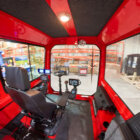
Core Pillars of Heavy Equipment Cab Design
Enhancing Operator Safety & Efficiency Designing the next generation of heavy equipment cabs requires a focused approach on key pillars that enhance operator safety, comfort, and productivity. From ergonomic seating and intuitive control layouts to advanced voice and gesture-based interfaces, modern cabs integrate cutting-edge technology to reduce operator fatigue and improve machine efficiency. Optimizing visibility, […]
-