
Keys to Extending Hydraulic Life & Avoiding Machine Failure
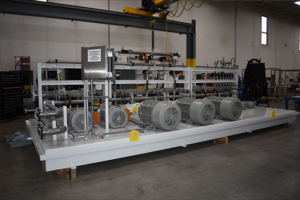
Well beyond any other factor, contamination is the primary cause of hydraulic component issues and resulting machine downtime, or worse, failure. Because of that, most of the resulting issues can be avoided by closely monitoring different aspects of the machine, however, the simplest methods are vulnerable to operator negligence or error. Thankfully, in today’s heavy equipment landscape there are numerous tools and programmable alerts that can be integrated into your machine’s primary control system, further ensuring proper hydraulic monitoring and maintenance, in turn extending component life and avoiding considerable machine downtime.

Proper Filtration & Condition Awareness
The simplest and most common method to extend hydraulic life is to prioritize proper filtration in your system. As stated earlier, contamination is the primary cause of hydraulic failure and the only way to avoid that is through proper filtration. Take a look at the machine life extension table above. You can see that no matter what your current fluid cleanliness level is, you can incrementally increase your machine life by achieving and maintaining a cleaner fluid. For example, taking a hydraulic system currently running at a 21/18 and improving that cleanliness level to a 16/13, you will have 4 times the life of that hydraulic system. Even reducing the contaminants by just one ISO code will increase the life of that system by 35%.
Closely monitoring your filter status is essential to ensuring you maintain that desired cleanliness level. While you can always visually check the simple gauge on a filter, there is a lot of room for human forgetfulness and error with that method. You can take it one step further by utilizing an electronic switch which senses differential pressure and will break when it reaches a certain level. This is a bit more reliable, as the machine operator can be alerted to this issue in some way. But you can further safeguard against human error-caused filtration issues by utilizing a full fluid monitoring system. This will continuously examine the full contaminant level in the system and that information is constantly and easily accessible to the operator through the machine’s control system.
Hydraulic Component Pressure Monitoring
Aside from extending component life, proper monitoring of your hydraulic system is also necessary in order to avoid more catastrophic machine failures. There are many ways through which to do this, but for an example, let’s look specifically at accumulators. Accumulators require a pre-charge pressure in order for machines to function properly and if there is an internal bladder rupture, nitrogen will leak into the hydraulic oil and the pressure will drop. Ultimately resulting in significant damage to other areas of the machine, this is one area that should also be regularly monitored, if not continually. It is especially beneficial to fully integrate that monitor into a machine’s control system so that information is readily available and easily accessible to the operator.
Adhering to Manufacturer Recommended Routine Component Maintenance
Monitoring component issues is obviously very important, but routine maintenance is sometimes easily overlooked and is just as crucial for extending machine life and avoiding catastrophic failures. Many components require either maintenance or replacement after a certain amount of use, but you can optimize resources by focusing in on each individual component’s usage rather than the full machine. For example, a water pump requires periodic maintenance after a certain number of operating hours. You can specifically monitor the time that pump is functioning and program routine maintenance alerts for that individual part. Logging usage of specific functions allows you to meet service criteria for all of your machine’s hydraulic components exactly when it’s needed.