
Gathering & Integrating Machine Data into OEM Processes & Creating a Real Value Stream

In recent history, the primary business model in equipment manufacturing has been linear, flowing from component distributor, to OEM, to end user. Bringing in the components, capabilities, and data from smart components and IOT devices upends this model, however, requiring OEMs to pivot. Creating a long term, cyclical relationship between the OEM and the operator can create a steady revenue stream through predictive replacement part ordering and avoid unforeseen service calls and repair costs. The challenge, as with all new technology integrations, is identifying the key value point to your target customers and then presenting them with that data in a clear, easily digested format so they can quickly utilize that data within their internal processes.
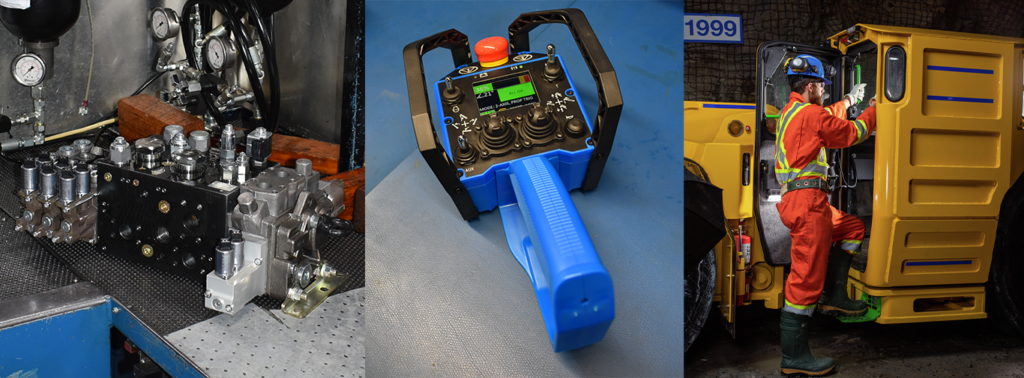
Integrate your machine’s hydraulics and electronics into a configurable IOT dashboard, alerting operators before component issues or failure arise.
Data By Itself Has No Value
Since numerous other industries, including retail, insurance, and energy, have already fully incorporated IOT devices and their data into their business models, the heavy equipment industry can look to those early adopters at some level. But what OEMs must remember when entering this realm, is that similar to companies like Amazon or Google, the real, long-term value of IOT is not in the actual products, but in the data gathered. However, OEMs must work that data into both their own customer service procedures, and properly present it to end users.
Thanks to the omnipresent amount of data available to people in all areas of life, data manipulation and discovering how it can be beneficial has been fully embraced by most of society. Consumers don’t purchase a Nest thermostat for the actual product, but rather for its ability to learn their routine and HVAC capabilities, present that data, and implement changes to more efficiently heat or cool their home. It is the application of that data into efficiency and overall cost. But in order to get to that point, you must present actionable data in a way that targets the decisions and machine issues that end users hope to impact.
Similar to many smart consumer products, customization and the ability to present information is key. Providing your customers with a dashboard that gives them the data they need, while not overwhelming them is important. And giving them the ability to make changes, set custom alerts, and keeping the most important machine data up front not only empowers them to get as much out of their data as desired, but it simplifies the key processes that will ultimately send value back to the OEM.
The benefit to OEMs goes beyond a regular, proactive ordering of replacement parts to avoid machine failure. The end-user will appreciate getting ahead of machine issues and operator specific data they can use for training and efficiency. But OEMs can also make the most of all the available data with every round of machine updates. If a certain hydraulic component regularly sees premature issues, or operators regularly misuse a certain control, those issues can be addressed in the machine’s next iteration. But all of these processes need to be considered at every stage of an OEM’s relationship with end-user, which means that it will continue well beyond their machine purchase.
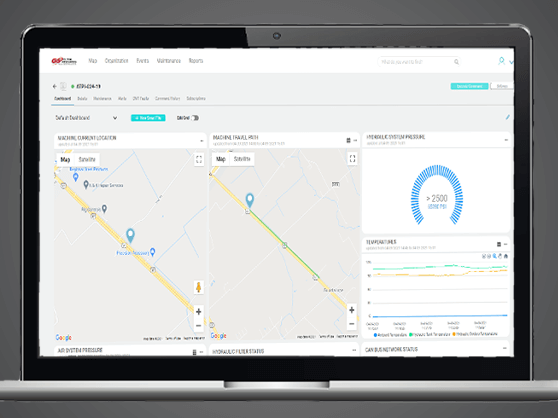
From Manufacturer to Machine Operator
There are multiple levels of involvement and access when it comes to integrating an IOT program for OEMs working through distribution partners. When launching IOT within an OEM, it’s necessary to evaluate what that will look like at each level, because there will be different priorities at each, and most likely different visibility of those tools at different levels. An OEM may not want the end customer to have access to the same data as a technician.
For example, it’s important for the end user to see the operational time each individual function can handle before a component replacement is needed, but they should not see the cost breakdown for that replacement. Again, the OEM can have control that by evaluating the information needs at each level and utilizing custom dashboards to get the right information in front of the right parties.
The most successful IOT programs for OEMs will have a focused individual who helps realize a return on investment using the information gleaned from the machine. That person will fully own the program, fully understand its capabilities, and have the ability to use the data received to make informed machine and business recommendations for the company’s success. While it may require the present dedication of financial or labor resources, designating that technology champion is necessary to realize the full potential and value IOT can provide to OEMs.